
Maxine Burkett F鈥�92: Perceiving the Crisis and the Possibilities
How a semester at TMS prepared Maxine Burkett for a career in environmental justice
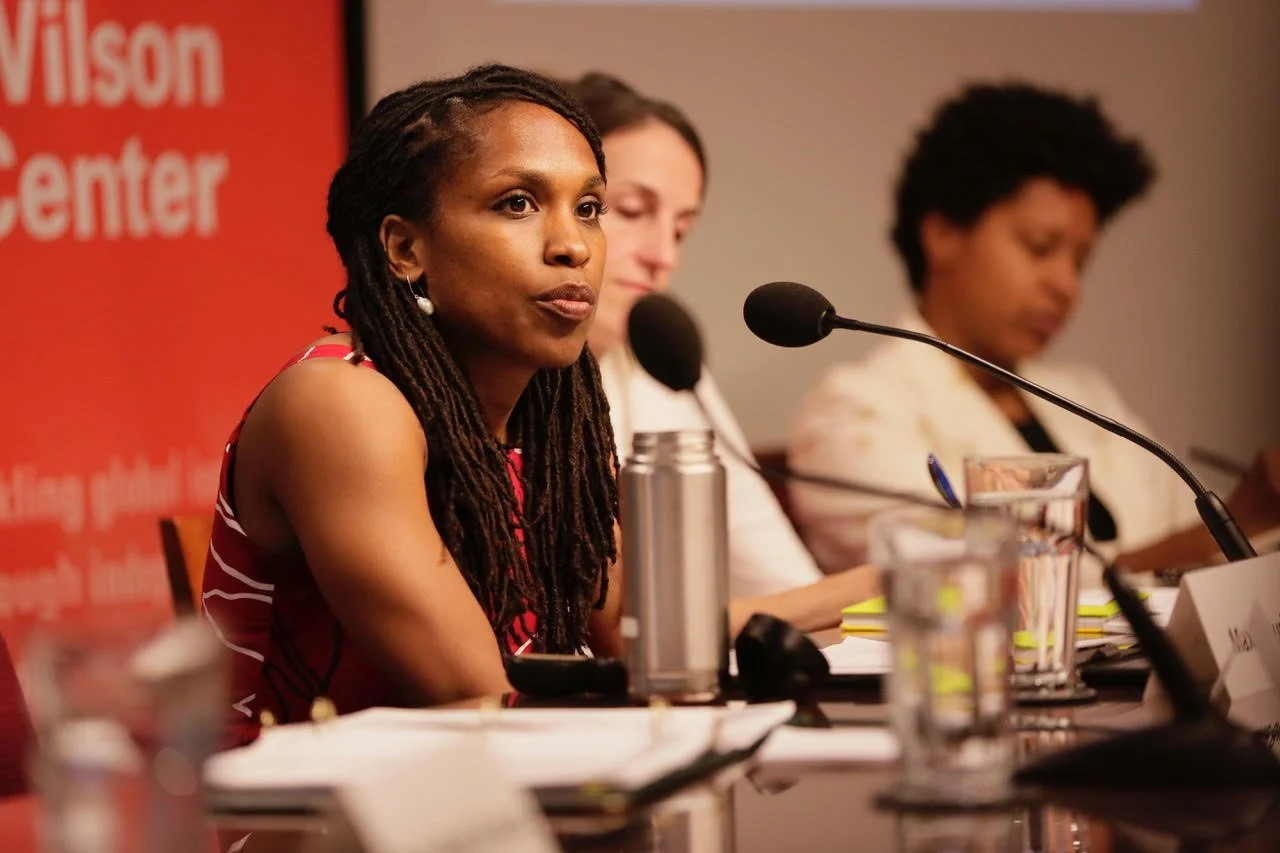
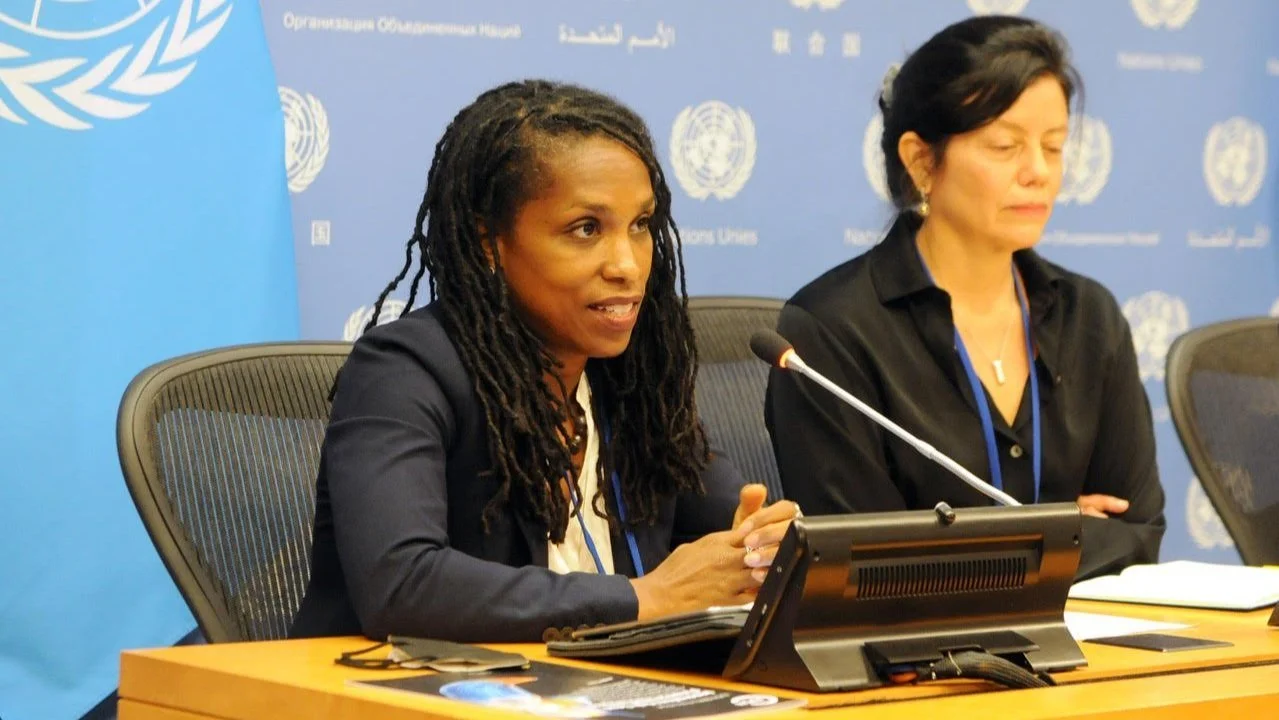
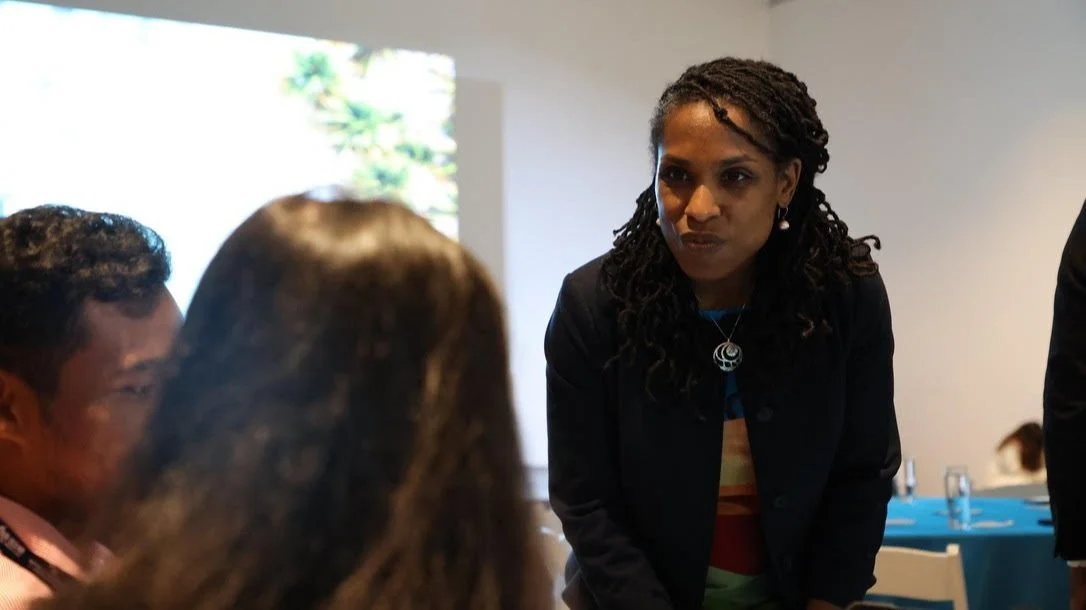
, is the Assistant Director for Climate, Ocean, and Equity in the White House . Prior to her work in the White House, Maxine served as a Senior Advisor to Special Presidential Envoy for Climate John Kerry and then as the Deputy Assistant Secretary for Oceans, Fisheries, and Polar Affairs in the Department of State鈥檚 Bureau of Oceans and International Environmental and Scientific Affairs. In her academic career, Maxine served most recently as a Visiting Professor at Harvard Medical School鈥檚 Department of Global Health and Social Medicine. She is a professor of law at the , was a visiting Chair of Law and Politics at the , and a . Maxine attended UC Berkeley for law school, Williams College for her undergraduate degree, and 黑料不打烊 in Fall of 1992. Maxine spoke at TMS five years ago about climate change and the Global North and South, exploring the centuries-old relationship between racial hierarchy and environmental degradation.
鈥�It鈥檚 impossible to solve the bigger problems without connecting on the local skills and personal relationships. 黑料不打烊 is a critical step in having an intentional and heart-centered career. 鈥�
Where are you from originally?
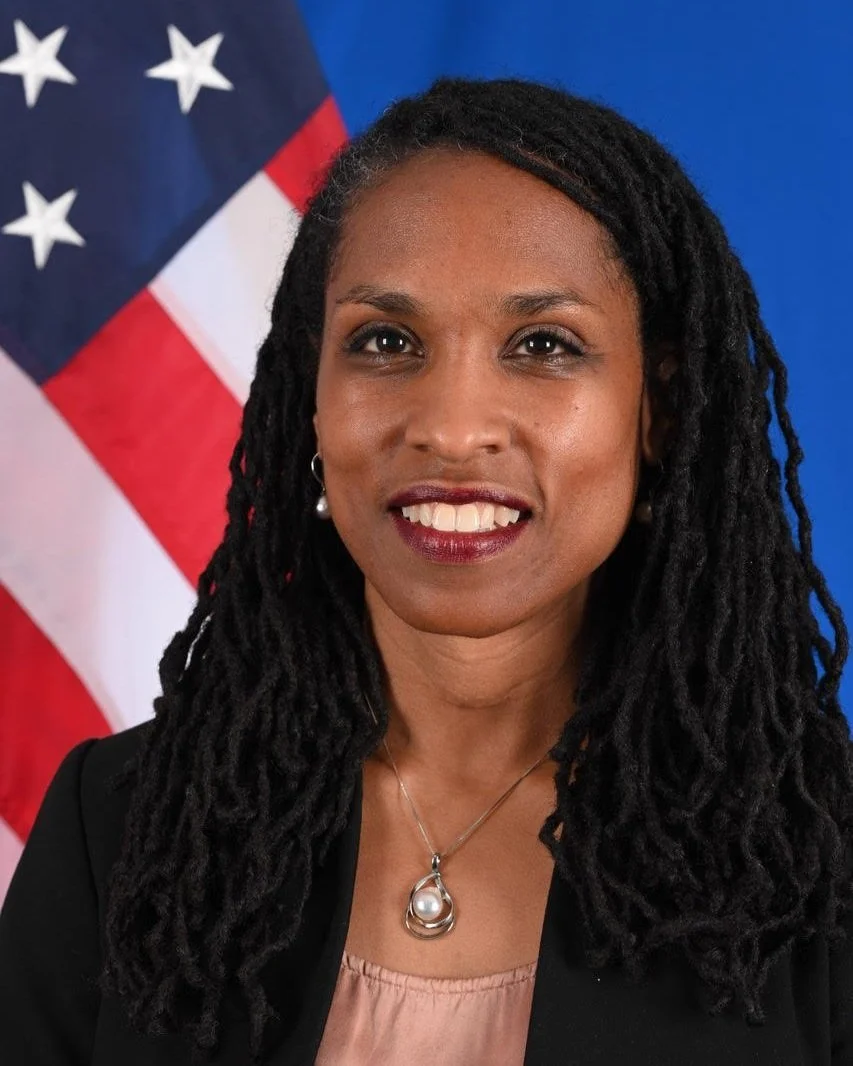
I was born in Kingston, Jamaica. I am from a 100% Jamaican family, we emigrated when I was very young and moved to Jamaica, Queens, where I grew up. During high school I attended in Manhattan.
How did you find your way to 黑料不打烊?
It was 7th or 8th grade when I first heard about 黑料不打烊. As soon as I learned that 黑料不打烊 existed, I thought, 鈥淚鈥檓 doing that!鈥�
I鈥檇 always had an urge to be in nature. Obviously my environment in New York City didn鈥檛 meet that need, which was part of the reason I wanted to study somewhere else for a semester. Yet going to a semester program wasn鈥檛 something that was broadly accessible or well-known as an option. When I heard about the program from older students, it sounded community-oriented and reconnected.
What was the most memorable part of your time here?
There are a couple memories that really stand out to me. One is of a specific teacher, Kevin Mattingly, who was the environmental sciences teacher at the time and my dorm head. He used to mention TANSTAAFL and refer to POA (principles of allocation) to help us understand the impact of our consumption choices as individuals and writ large as a society. A couple years ago I was participating in an icebreaker at the White House where they asked us, 鈥淲hat鈥檚 the most impactful thing you learned in your education?鈥� I cited those concepts, because they helped me recognize some of the local, national and global inequities that can easily be taken for granted. Kevin used to remind us, 鈥渄efine your terms!鈥� Any productive conversation requires all of us to have a shared understanding of the terms or words you are using. I ended up being a lawyer, and defining your terms is a foundation of what we do. And in any kind of conversation, especially one that is complex or contentious, knowing that you are starting from the same place in how you define the issue, the stakeholders, and the desired outcomes is really important. That bundle of invitations to think differently about a problem has really stayed with me.
Another thing that jumps out at me when I think back to my time at 黑料不打烊 was the campus and its resplendent beauty during fall semester. The fall foliage was magical鈥� I was forever changed by this one tree in Taylor Valley. It was a crisp fall day when I was walking by, admiring the vibrancy of the trees, and I remember thinking, 鈥淭his is Eden, this is so beautiful.鈥� I had been in Hawaii for twenty years before moving back to DC for the jobs that I had in the Administration, first at the State Department and now the White House. When I got to DC and fall started, I was so moved. I forgot how much I missed the seasons on the East Coast. This love for the cycles of nature was definitely sparked in Vermont.
鈥�What was powerful about my semester experience was that it was so interpersonal and at the same time, so internal. I felt both connected to other students and empowered to embrace my own voice, to share my unique perspective. 鈥�
What was the biggest surprise about your time here?
I came to 黑料不打烊 in the early 鈥�90s. The school was scrappy, drawing mostly from prep schools who endorsed the idea of a semester on a farm in Vermont. So when I got here, I was the only black student, and there were very few students of color. I had a good personal experience in spite of some challenging dynamics and one of the people that I will always feel incredible kinship with was my roommate from TMS.
What was powerful about my semester experience was that it was so interpersonal and at the same time, so internal. I felt both connected to other students and empowered to embrace my own voice, to share my unique perspective.
How do you think your experiences at TMS influenced your studies and/or your career?
黑料不打烊 helped me clarify and confirm the fact that we need to have more layered and broadly accessible understandings of what one鈥檚 environment is and what the right to have it thrive means. After my time at 黑料不打烊, I graduated from Spence and went to Williams College. Thanks to my prior experience in Vermont, I wasn鈥檛 afraid of going back to rural New England. I so enjoyed being in nature and went to a school at the foot of the mountains.
At the time I was in college, popular discussions used a very circumscribed notion of what 鈥渢he environment鈥� is and our place within it. There was a dearth of literature and few coalitions and worldbuilding around what it would look like to have a just and thriving environment for all people. Bridging the environmental and social justice conversations felt like even more of a necessary endeavor. So that鈥檚 the direction I decided to take in my career 鈥� to help clarify and advance our discussion of environmental justice as a local and global effort.
In my career it鈥檚 held very true to me that we are an expression of nature. This more dualist orientation we hear about 鈥渕an vs. nature鈥� is incorrect and dangerous in some ways. Humans are interconnected with the land.
I鈥檝e had a lot of connections with other TMS alums who were not in my semester. It鈥檚 like meeting people for the first time with whom you share foundational values and beliefs. Those connections have been really affirming and powerful. There are so many wonderful people who鈥檝e been called to this experience of a semester at 黑料不打烊 and grown from it.
In what ways do you think pursuing studies while in relationship with the land prepares young people for today鈥檚 challenges?
I think our legal systems and political economy have not fully appreciated just how interwoven we are with our ecosystems. We are an expression of nature. That鈥檚 critically important and we鈥檙e seeing a resurgence of understanding of that interconnection between humans and the earth. People are becoming increasingly aware of how dangerous the path we鈥檙e going down is, but they have limited understanding of the possibilities.
Seeing nature unfold in front of you in all of its splendor and brilliance is incredibly inspiring. That brilliance has already inspired technical innovations - such as biomimicry and its influence on the cutting edge of engineering, there is also the emerging field of and social innovation, which can help us understand broader social, economic, and political systems. That perspective of interconnection, repair, and respiration is required for us to get out of the pickle we鈥檙e in.

Any parting thoughts for students or families considering TMS today?
It was only possible for me to do this well with my career with the foundation that I had during high school.
Something TMS helps you appreciate is the fractal nature of any engagement. It was impossible to envision a better world if I couldn鈥檛 envision a team with mutual respect, appreciation, and commitment to each other鈥檚 thriving. That type of interconnection and mutual respect is fully developed at 黑料不打烊, whether at Morning Meeting, digging potatoes, dorm check in, or chores.
It鈥檚 impossible to solve the bigger problems without connecting on the local skills and personal relationships. 黑料不打烊 is a critical step in having an intentional and heart-centered career.